
Sale!



Original price was: $32.97.$23.08Current price is: $23.08.
- Buy with Confidence, Get Quality
- Uncompromising quality, every time.
- Satisfaction Guaranteed
- Top Quality Products

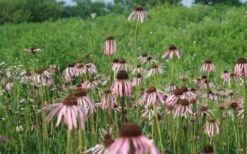
Pale Purple Coneflower
Echinacea pallida
Plant Details
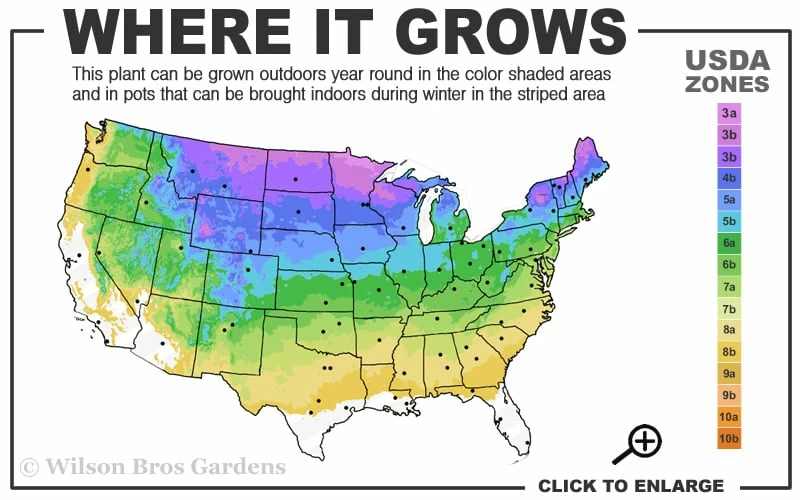
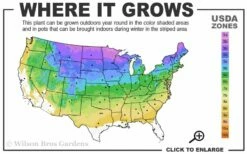
USDA Plant Hardiness Zones: 3a-8b Find Your Zone
Plant Type: Perennial
Height at Maturity: 2.5-3′
Width at Maturity: 1.5-2′
Spacing: 2′ for mass plantings
Spacing: 2′ for mass plantings
Growth Habit / Form: Upright
Growth Rate: Fast
Flower Color: Soft Pink to Soft Purple
Flower Size: 3″
Flowering Period: Late Spring to Early Fall
Flower Type: Single Daisy, Coneflower
Fragrant Flowers: No
Foliage Color: Green
Fragrant Foliage: No
Berries: No
Berry Color: No
Sun Needs: Full Sun or Part Shade
Water Needs: Average to Low when established
Soil Type: Clay (amended), Loam, Sand (amended), Silt
Soil Moisture / Drainage: Moist But Well Drained to Dry
Soil pH: 6.0 – 7.0 (Acid to Slightly Alkaline)
Maintenance / Care: Low
Attracts: Birds, Butterflies, Pollinators, Visual Attention
Resistances: Deer, Disease, Drought, Heat, Humidity, Insect, Rabbit
Description
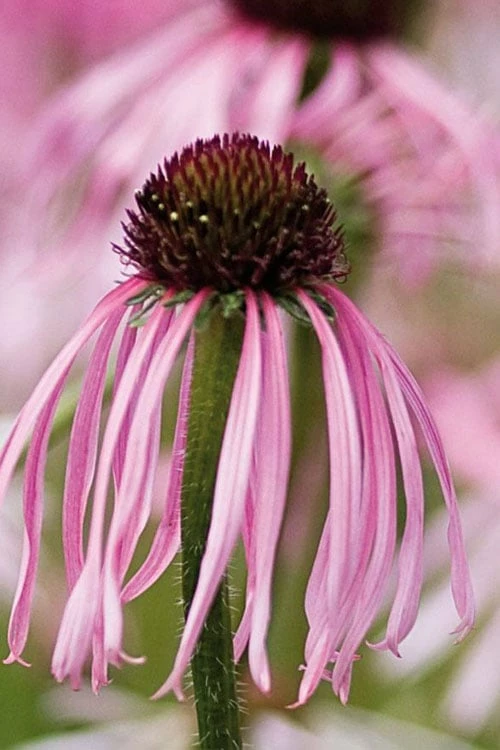
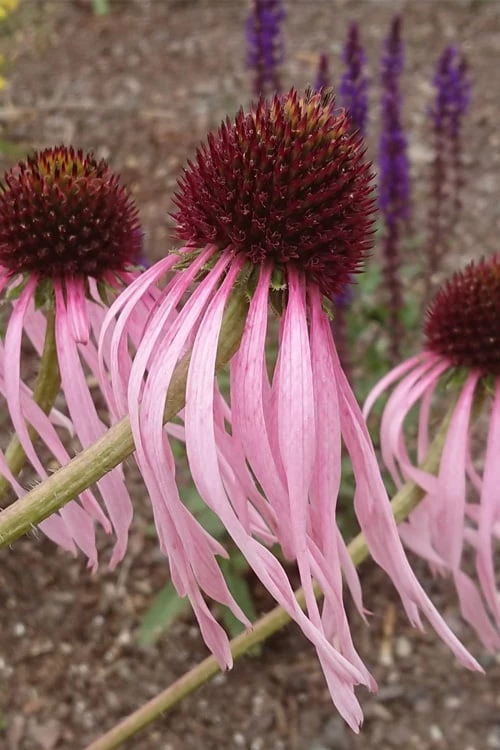
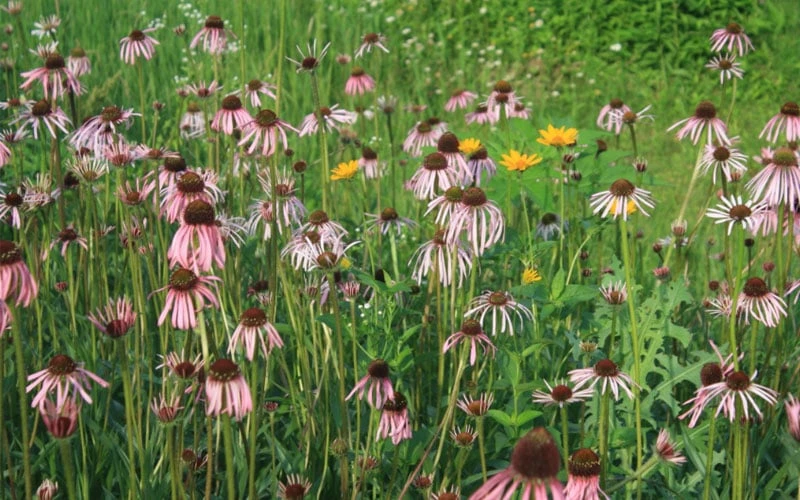
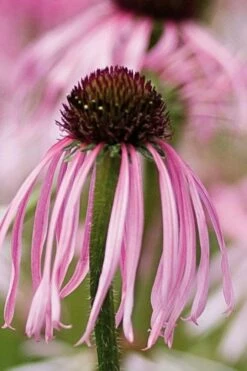
A low maintenance and tough but beautiful North American native species, Echinacea pallida, commonly known as the Pale Coneflower, is a sturdy perennial that produces lovely daisy-like flowers with bold reddish central cones surrounded by slender drooping soft pink to violet petals. Atop tall sturdy stems that rise above basal mounds of lanceolate foliage, the flowers begin appearing in late spring to early summer and continue all the way through September attracting butterflies, hummingbirds and beneficial pollinators. Removal of spent flower stems will extend the bloom season however will remove the desirable seeds.
Landscape & Garden Uses
A butterfly host plant, the Pale Purple Coneflower is ideal for use is in sunny wildlife gardens, cut flower gardens and prairies or meadows, and is a fine addition to cottage gardens, deer resistant plantings, xeriscapes (low water needs), perennial gardens and sunny woodland borders.
Suggested Spacing: 2 feet apart for mass plantings
Growing Preferences
The Pale Purple Coneflower is an easy-to-grow, adaptable plant that is tolerant of drought, heat, humidity and poor soil. It will grow in most any average moist but well-drained to dry soils when established. Best flowering occurs in full to mostly sun. We suggest at least 6 hours of direct sunlight per day. Spent flowers can be removed to extend the bloom season and for use in fresh and dried flower arrangements. That said, the plant freely self-seeds if some of the spent flowers/seed heads are left on the plant towards the end of the season.
Plant Long & Prosper!
Meet The Wilson Brothers & Staff
Questions? Contact Us!
Be the first to review “Pale Purple Coneflower (Echinacea Pallida) – 1 Gallon Pot”
Related products
Sale!
Original price was: $59.97.$41.98Current price is: $41.98.
Sale!
Original price was: $84.97.$59.48Current price is: $59.48.
Sale!
Original price was: $64.97.$45.48Current price is: $45.48.
Sale!
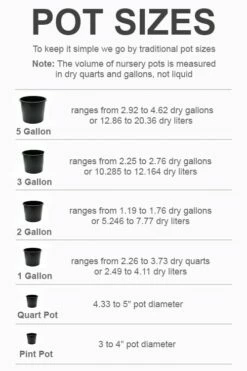
PLANTS & TREES
Original price was: $99.97.$69.98Current price is: $69.98.
Sale!
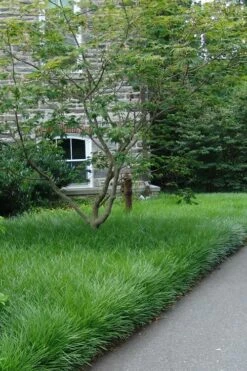
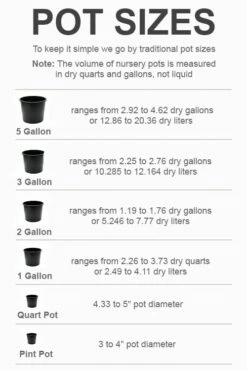
GROUNDCOVER PLANTS
Original price was: $39.85.$27.90Current price is: $27.90.
Sale!
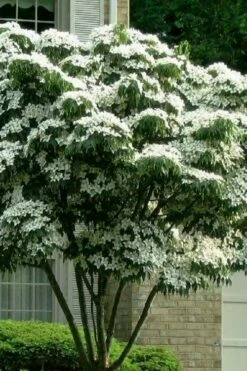
Original price was: $158.85.$96.99Current price is: $96.99.
Sale!
JAPANESE MAPLE TREES
Original price was: $149.97.$96.99Current price is: $96.99.
Sale!
PERENNIAL PLANTS
Original price was: $37.97.$26.58Current price is: $26.58.
Reviews
There are no reviews yet.